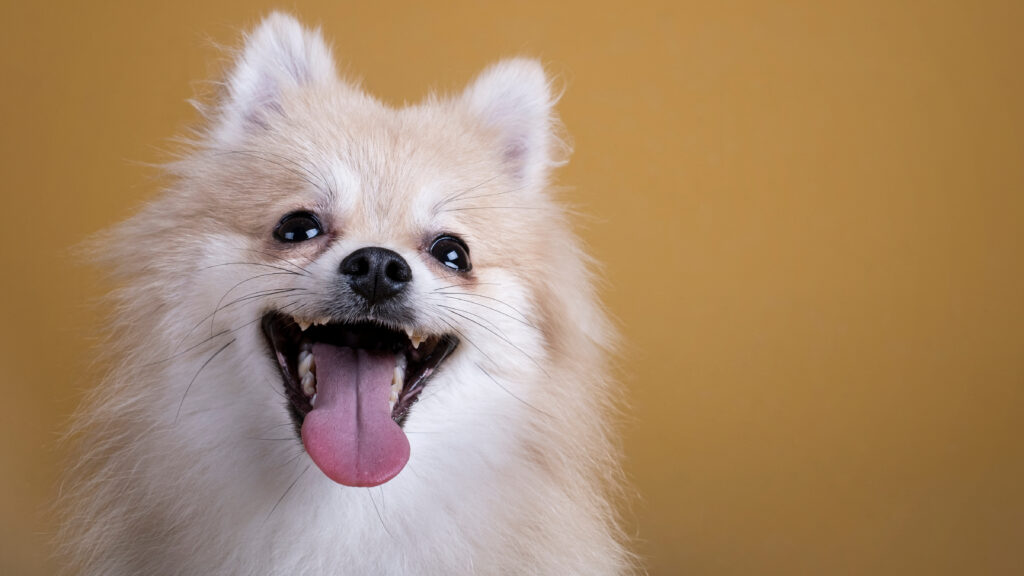
Brachycephalic Obstructive Airway Syndrome (BOAS) is a condition affecting dogs and cats with a shortened skull and flat facial conformation (brachycephalic breeds), such as the English Bulldog, French Bulldog, Pug, Shih Tzu and Persian cat.
The clinical signs of BOAS can vary, but commonly include:
- Snoring and noisy breathing, even at rest
- Shortness of breath, particularly during exercise or in warm weather
- Collapse or fainting due to inadequate oxygenation
- Difficulty swallowing, gagging and retching
- Chronic inflammation of the airways
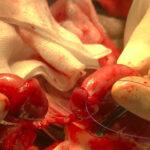
BOAS develops as a result of narrowing and/or abnormal conformation of the upper airway structures, including the nostrils, nasal passages, pharynx and, in some patients, the trachea. These abnormalities increase airway resistance and obstruct airflow. The condition may progressively worsen over time and can lead to serious health problems, including hypoxemia and cardiopulmonary complications.
In this webinar, brachycephalic obstructive airway syndrome will be discussed in detail. The primary anatomical abnormalities and secondary consequences of airway obstruction will be covered, together with the diagnostic approach and underlying pathophysiology.
The treatment section will address the stabilisation of patients presenting with acute upper airway obstruction, as well as the different surgical techniques used to manage BOAS, including postoperative care and potential complications.
By the end of this webinar, participants will have acquired the knowledge and practical understanding needed to confidently diagnose and successfully manage dogs affected by BOAS.