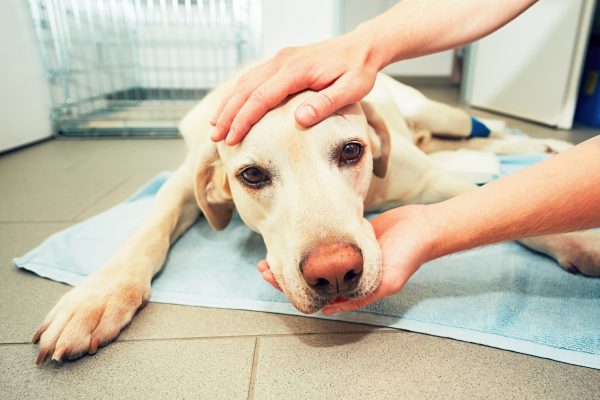
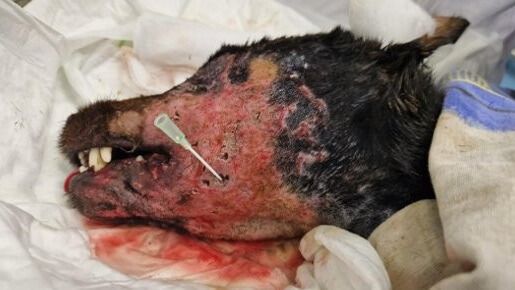
This webinar provides a practical and clinically focused overview of Gastric DilatationVolvulus (GDV), a life-threatening emergency commonly encountered in small animal practice. It is designed to guide veterinarians through the critical steps required when managing a GDV case, particularly in high-pressure situations such as out-of-hours emergencies.
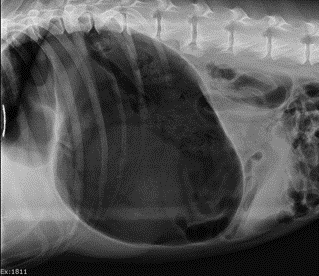
The presentation begins with a review of the pathophysiology of GDV, explaining how gastric distension and torsion lead to reduced venous return, systemic shock, impaired ventilation, and potential gastric necrosis. It then outlines the essential components of patient assessment, including clinical examination and the use of diagnostic tools such as blood pressure measurement, lactate monitoring, ECG, and radiography.
A strong emphasis is placed on stabilization prior to surgery, including aggressive fluid therapy, oxygen supplementation, and gastric decompression. Surgical principles are then discussed in detail, covering derotation of the stomach, evaluation of gastric and splenic viability, and the use of gastropexy to prevent recurrence.
Finally, the webinar addresses postoperative care, complications, prognostic indicators, and preventive strategies. Overall, it equips clinicians with a structured, evidence-based approach to improving survival outcomes in dogs affected by GDV.
Questions for the instructor can be submitted via the online forum.