A practical approach to diagnosis and treatment
Skin problems are among the most frequent reasons for dogs to visit a veterinary practice. However, identifying the underlying cause of pruritus, alopecia, or recurrent skin lesions can be challenging, particularly when different diseases present with similar clinical signs. A structured diagnostic approach is essential to avoid unnecessary treatments and achieve successful long-term management.
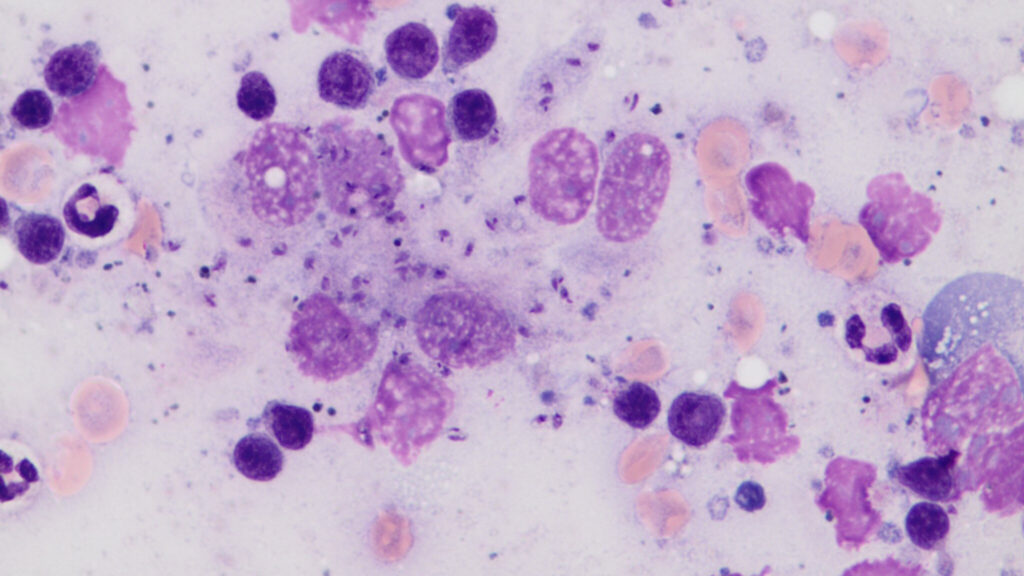
In this practical webinar, we will explore a step-by-step approach to dermatological patients, starting with a thorough history and clinical examination, recognition of primary and secondary skin lesions, and the use of essential diagnostic techniques such as skin scrapings, cytology, and skin biopsies. We will discuss how to establish appropriate differential diagnoses and select the most useful diagnostic tests in everyday practice.
Particular attention will be given to the most common canine skin diseases, including environmental, food, and flea-bite allergies, bacterial pyoderma, and parasitic conditions such as sarcoptic mange and demodicosis. We will also discuss pemphigus foliaceus as an important autoimmune differential diagnosis. For each condition, the emphasis will be on recognizing characteristic clinical presentations, establishing an accurate diagnosis, and understanding current treatment strategies, including the appropriate use of topical therapies and systemic medications.
Throughout the webinar, the focus will remain on practical, evidence-based clinical decision-making: how to approach the itchy dog systematically, distinguish between conditions with overlapping clinical signs, identify and manage underlying causes, and develop effective treatment plans for patients encountered in first-line practice.