Diagnosis FIP


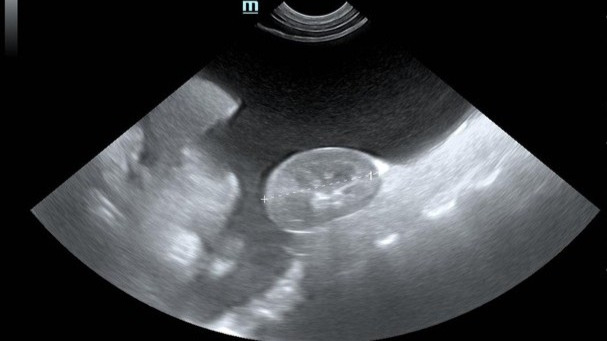
In patients with abdominal effusion, it is important to quickly determine whether septic peritonitis is present. A combination of cytology, glucose and lactate differences between blood and abdominal fluid, and aerobic and anaerobic culture can help guide the diagnosis. Intracellular bacteria are highly suggestive of sepsis, although they are not always visible. This overview summarizes […]
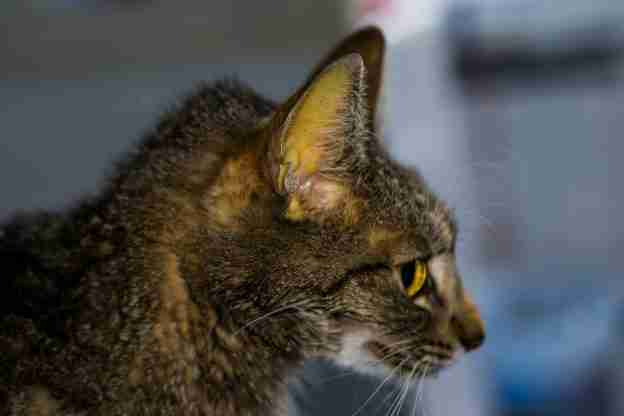
Immune-mediated hemolytic anemia (IMHA) can be challenging to diagnose in dogs and cats. No single diagnostic test is completely reliable, so a practical, structured approach is essential. Download our free IMHA diagnosis protocol and get a clear overview of the clinical and laboratory findings that support the diagnosis of immune-mediated hemolytic anemia. The protocol includes […]

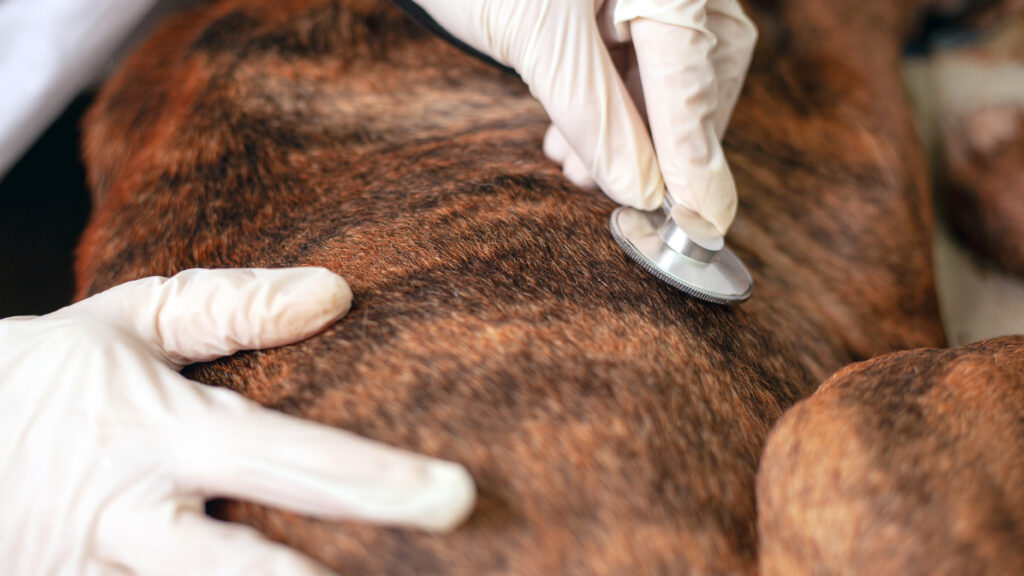

This protocol provides a practical guide to the in-clinic management of dogs with canine parvoviral enteritis. It covers key aspects of supportive care, including fluid therapy, correction of electrolyte and glucose abnormalities, antiemetic and antimicrobial therapy, nutritional support, analgesia, and additional treatment options. Strict isolation and appropriate monitoring are essential throughout hospitalization to optimize patient […]

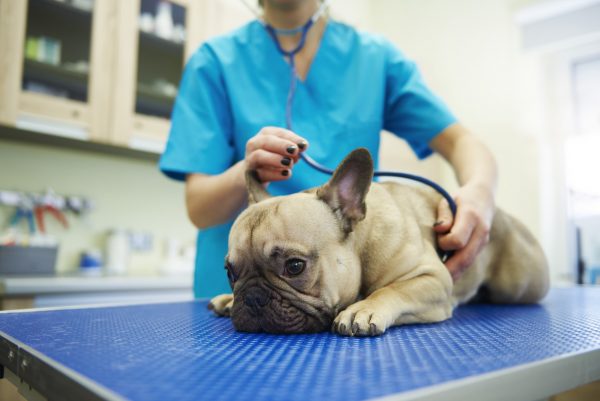
This protocol provides a practical approach to the outpatient management of dogs with canine parvoviral enteritis when hospitalization is not feasible. It outlines initial stabilization, supportive treatment, monitoring, and clear criteria for when a patient should be transitioned to in-hospital care. Outpatient treatment should be considered a spectrum-of-care alternative and is only appropriate for carefully […]