Diagnosis FIP


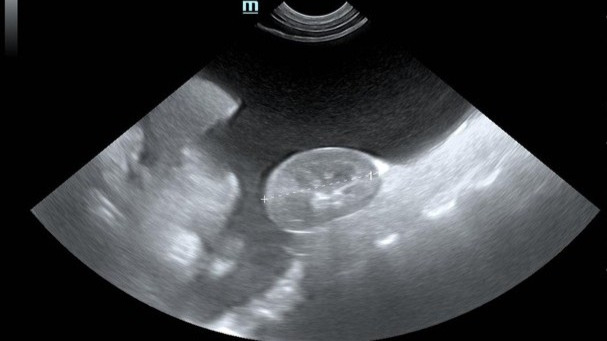
In patients with abdominal effusion, it is important to quickly determine whether septic peritonitis is present. A combination of cytology, glucose and lactate differences between blood and abdominal fluid, and aerobic and anaerobic culture can help guide the diagnosis. Intracellular bacteria are highly suggestive of sepsis, although they are not always visible. This overview summarizes […]
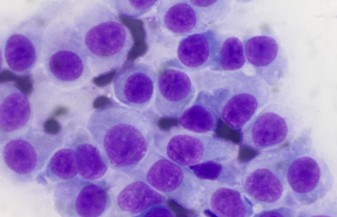
Cytology can provide valuable diagnostic information, but interpreting a slide starts with recognizing the cells that are present. This protocol offers a practical, visual approach to identifying the main inflammatory and tissue cell types and helps you classify cytology samples in a systematic and consistent way. By focusing on key cellular features and following a […]

Immune-mediated hemolytic anemia (IMHA) can be challenging to diagnose in dogs and cats. No single diagnostic test is completely reliable, so a practical, structured approach is essential. Download our free IMHA diagnosis protocol and get a clear overview of the clinical and laboratory findings that support the diagnosis of immune-mediated hemolytic anemia. The protocol includes […]

This practical protocol provides guidance on how to perform and interpret the Low-Dose Dexamethasone Suppression Test (LDDST) in dogs. It covers patient selection, factors that may affect test reliability, the correct testing procedure, and interpretation of the different suppression patterns encountered when investigating hyperadrenocorticism.