Anemia in Dogs and Cats: A Practical, Case-Based Diagnostic Approach

image of Online Vet Training instructor Geert Paes Geert Paes, DVM, Dip ECVIM-ca
€90
Course includes:
icon of cat icon of dog
Duration: 3 hours
€90

How do you approach an anemic patient, interpret the laboratory findings, and ultimately identify the underlying cause?

In this practical, interactive webinar, we take a step-by-step approach to the diagnostic work-up of anemia in dogs and cats, with a strong emphasis on clinical reasoning, laboratory interpretation, and particularly the interpretation of blood smears.

We begin with a challenging clinical case involving an anemic cat. Through a series of interactive questions, participants are encouraged to interpret the available findings, consider possible differential diagnoses, and decide which diagnostic steps to take next. This case also provides the starting point for an in-depth discussion of immune-mediated hemolytic anemia (IMHA).

From there, we explore a structured approach to anemia by asking the key questions that help narrow down the differential diagnoses:

  • How severe is the anemia? What can the degree of anemia tell us about the patient’s condition?
  • How quickly did the anemia develop? How does the distinction between acute and chronic anemia influence our interpretation?
  • Is the anemia regenerative or non-regenerative? What does the bone marrow response tell us about the underlying process?
  • What can we learn from the red blood cell indices? How can MCV, MCHC, and other hematological parameters guide our diagnostic reasoning?
  • What does the blood smear reveal? How can red blood cell morphology and other microscopic findings provide essential diagnostic clues?
  • Are there additional hematological abnormalities? How can changes in white blood cells, platelets, and other laboratory parameters help us identify the underlying cause?

A major focus: In-depth blood smear interpretation

A big part of this webinar is dedicated to the practical interpretation of blood smears. We go well beyond simply recognizing abnormal red blood cell shapes. Participants will learn how to approach a blood smear systematically, identify and interpret important morphological abnormalities, and understand their diagnostic significance in the context of anemia.

Using numerous real clinical examples and blood smear images, we explore how erythrocyte morphology, signs of regeneration, features suggestive of hemolysis, and abnormalities involving other blood cell populations can help distinguish between different causes of anemia.

The emphasis is on what you actually see under the microscope, what those findings mean, and how to use them in clinical decision-making. We also discuss how blood smear findings complement automated hematology results and why manual smear evaluation remains such an important part of a complete hematological assessment.

Throughout the webinar, multiple clinical cases and practical examples help connect laboratory findings with clinical presentation, demonstrating how each piece of information contributes to the diagnostic process.

The goal is not simply to recognize anemia, but to understand what is causing it. By the end of this webinar, participants will have a practical, systematic approach to investigating anemia, a deeper understanding of blood smear interpretation, and greater confidence in interpreting hematological results in everyday clinical practice.

image of Online Vet Training instructor Geert Paes Geert Paes, DVM, Dip ECVIM-ca

After graduating as a veterinarian in 2006 from the University of Ghent, Geert completed an internship and residency in small animal internal medicine. She remained at the university until 2012, after which she moved to Western Canada. There, she spent several years working in first-line practice, before transitioning back into emergency and referral medicine. This experience gave her a deep understanding of the realities of clinical practice and a strong appreciation for the challenges faced by general practitioners on a daily basis.

Geert has been a Diplomate of the European College of Veterinary Internal Medicine (ECVIM-CA) since 2017 and is (co-)author of several scientific publications. She has more than 15 years of experience in referral practice, including extensive experience in small animal internal medicine, emergency care, and teleconsulting.

However, what truly sets Geert apart is her passion for teaching. She is known for her ability to explain complex topics in a clear, accessible, and practical way, making internal medicine understandable for every veterinarian—regardless of their level of experience. Her teaching style is characterized by clear explanations, additional context, and a strong focus on clinical reasoning.

Having worked in first-line practice herself, Geert strongly believes that the “ideal scenario” is not always achievable. Her goal is not only to teach what the gold standard (Plan A) looks like, but also to equip veterinarians with the tools and confidence to make well-reasoned decisions when they need to rely on Plan B or Plan C.

Her courses are highly valued for their practical approach and direct applicability in daily practice, and her enthusiasm for internal medicine is contagious—she consistently succeeds in inspiring others to develop the same passion.

Driven by this vision, Geert founded OnlineVetTraining (OVT) in 2019, with the aim of providing accessible, high-quality, and clinically relevant education for veterinarians and veterinary professionals worldwide.
Webinar Content

Handouts
Practical work up of patients with anemia – Handouts
Supplementary clinical resources
Protocol – Diagnostic work up of patients suspected of IMHA
ACVIM consensus guidelines diagnosis of IMHA
ACVIM consensus guidelines treatment of IMHA
Webinar Practical work up of patients with anemia
Practical work up of patients with anemia – Introduction
Feedback
Feedback
Final quiz
Practical work up of patients with anemia – Final Quiz 1 Quiz
Link to forum
Link to Forum Emergency and Critical Care Courses

Related courses

€

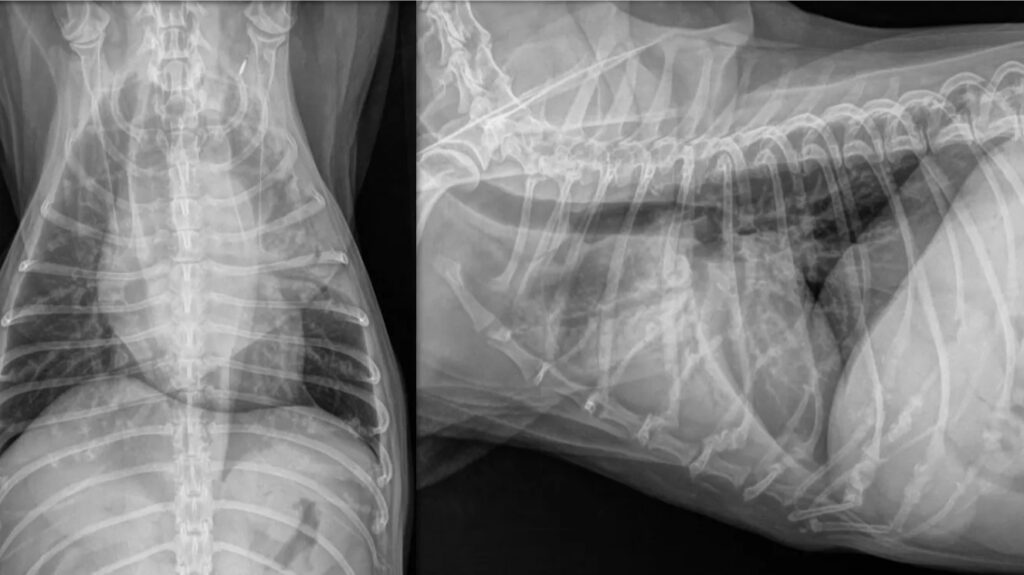
Thoracic radiographs in animals with dyspnea

🇬🇧 Language: English | Live Online

A Practical Approach to Interpretation Dyspnea is a common and potentially life-threatening

€

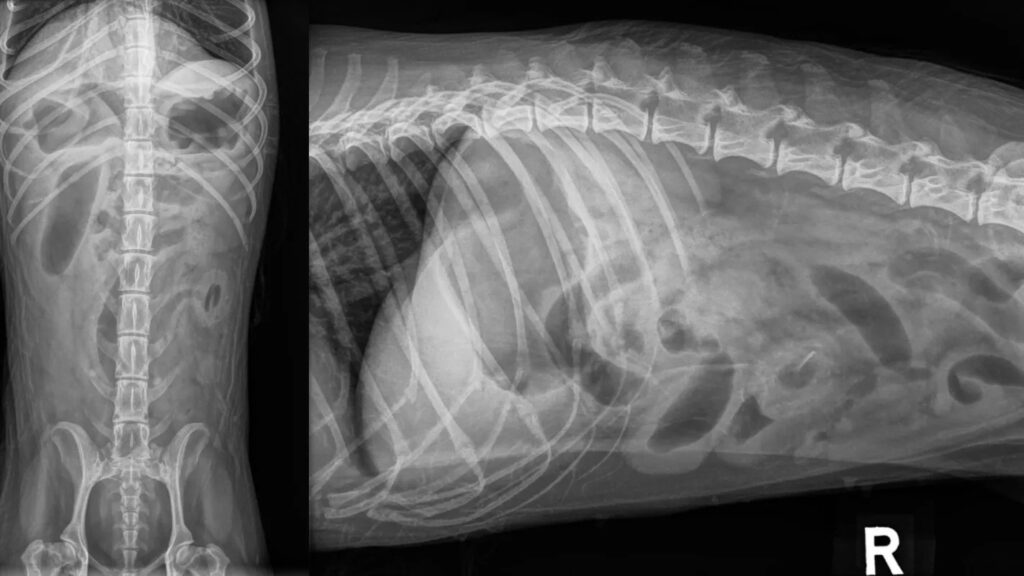
Abdominal radiographs in animals with acute vomiting

🇬🇧 Language: English | Self-paced webinar

A Practical Approach to Interpretation Acute vomiting is a common presentation in

€60

Gallbladder mucocele in dogs

🇬🇧 Language: English | 10 Lessons | Self-paced webinar

From diagnosis to treatment Gallbladder mucoceles are increasingly recognized in dogs and