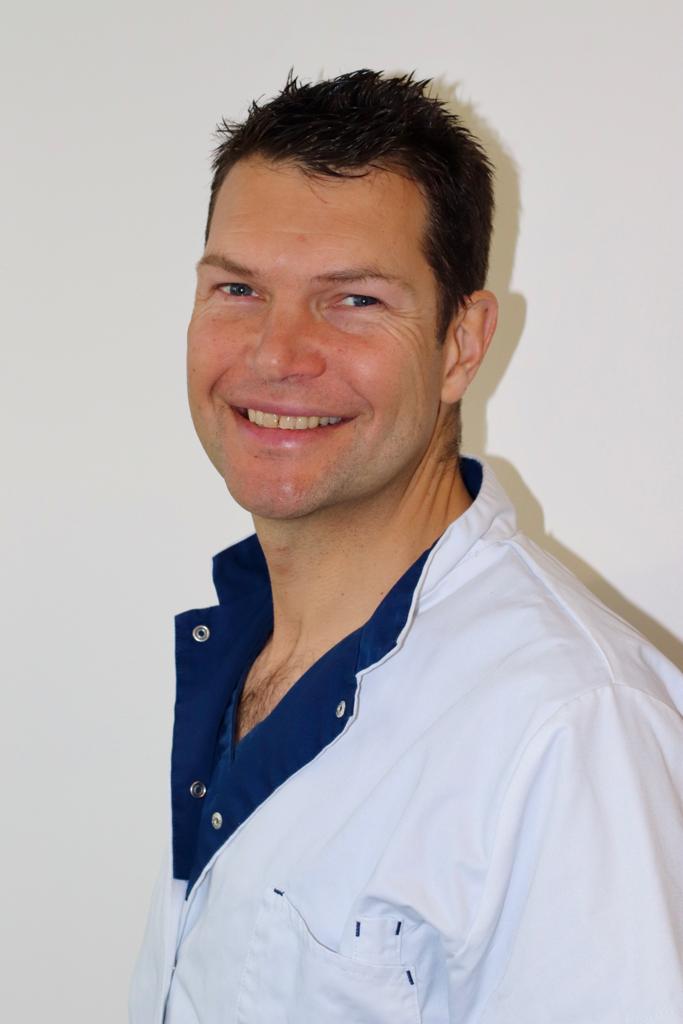
 Joachim Proot, DVM, Dip ECVS
  8 Lessons
 Topics
 Quiz
Quiz
 Certificate

 Joachim Proot, DVM, Dip ECVS
 Joachim Proot (ECVS diplomate) graduated as a veterinarian from the University of Ghent in 2001. After graduating, he did an internship in Canada and then worked in England for five years. After obtaining his Certificate in Small Animal Surgery; in 2006 he started working in a secondary care clinic in the United Kingdom and followed his ECVS specialization training there.
Joachim currently works as a soft tissue surgeon at Dierenziekenhuis Barendrecht (Netherlands) and also works as a passionate teacher for the Evidensia Academy (Netherlands). Joachim's interest lies in soft tissue surgery, but in his specialization trajectory he also gained extensive experience in orthopedics and neurosurgery.