 Yi Cui, DVM, Dip ECVIM-ca
  7 Lessons
 2 Topics
 Quiz
Quiz
 Certificate
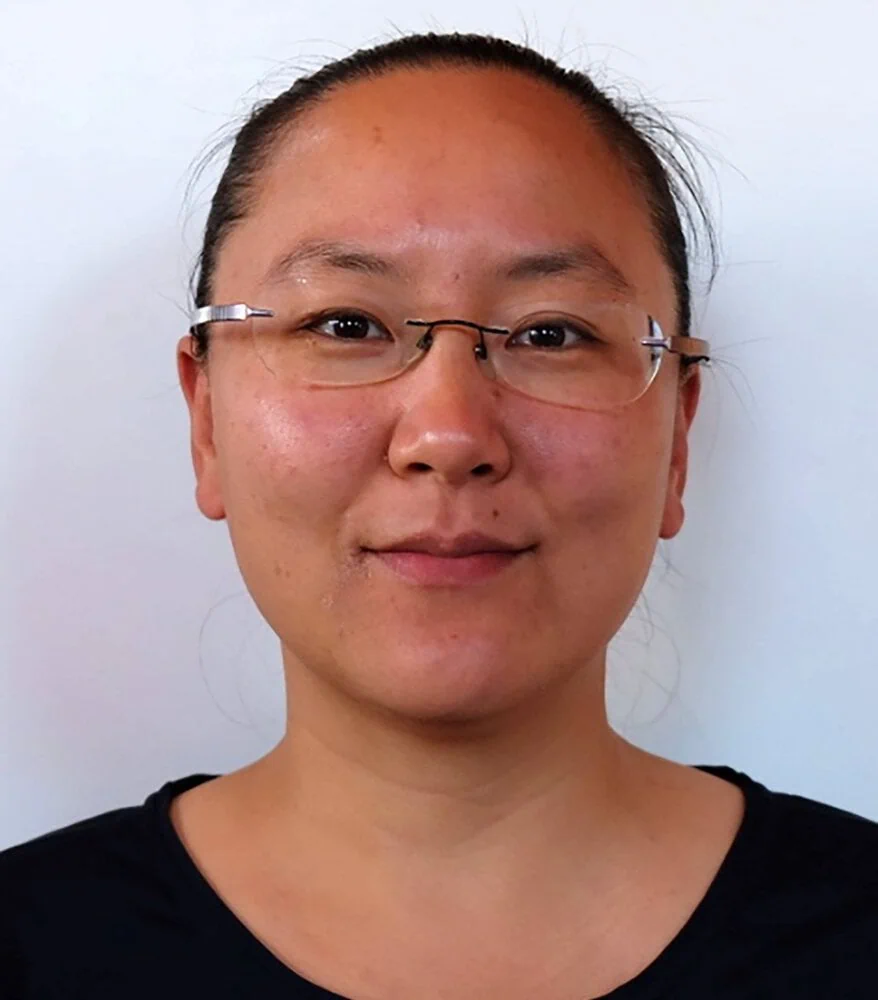
 Yi Cui, DVM, Dip ECVIM-ca
 Yi completed her veterinary studies and internship in 2013 at the University of Ghent and obtained her specialization in Internal Medicine in 2019 at the University of Giessen (Germany). She subsequently worked as a clinical supervisor in the Department of Internal Medicine at the University of Giessen.
Yi has built an extensive academic career across several renowned university hospitals, including Ghent, Utrecht, and Bern, where she worked as a specialist in Internal Medicine. In 2022, she expanded her clinical experience by working for a year at one of the largest private referral clinics in Hong Kong, gaining valuable insight into veterinary practice outside the academic setting.
Since 2023, Yi has been working internationally as an online consultant for primary care veterinarians, supporting them with challenging internal medicine cases, while also contributing as a lecturer in various educational programs. She remains clinically active through locum work in practices around the world and is involved in volunteer work at local animal shelters.
Yi is deeply passionate about teaching. She is often described as a “walking encyclopedia,” with an exceptional depth and breadth of knowledge. What truly sets her apart, however, is her ability to translate this knowledge into clear, structured, and understandable explanations, making even complex internal medicine topics accessible for veterinarians at all levels.
Her goal is to provide veterinarians with the tools, knowledge, and confidence to independently approach and solve internal medicine cases in daily practice. Thanks to her experience in multiple university hospitals and private clinics across different countries, Yi has developed a strong awareness of how case presentation, disease prevalence, and availability of diagnostics and treatments can vary depending on the setting. This allows her to bring a highly practical, flexible, and globally relevant perspective to her teaching.
Exploring new environments, learning from international experts, and experiencing different cultures have always been central to her personal and professional growth. She continues this journey together with her partner, their cat Nidalee, and their adventurous dog Harper.
Yi schloss 2013 ihr Studium der Tiermedizin sowie ihr Internship an der Universität Gent ab und erlangte 2019 ihre Spezialisierung in der Inneren Medizin in Gießen (Deutschland). Anschließend arbeitete sie als klinische Supervisorin in der Abteilung für Innere Medizin an der Universität Gießen.
Yi baute eine umfangreiche akademische Laufbahn an verschiedenen Universitätskliniken auf. Sie hatte die Möglichkeit, mit renommierten Professorinnen und Professoren ihres Fachgebiets an den Universitäten Gent, Utrecht und Bern zusammenzuarbeiten, jeweils in der Funktion als Spezialistin für Innere Medizin. Im Jahr 2022 arbeitete sie ein Jahr lang in der größten privaten Tierklinik in Hongkong, wo sie wertvolle Einblicke in die Arbeit außerhalb des universitären Umfelds gewann.
Das Erkunden neuer Umgebungen, das Lernen von und Arbeiten mit unterschiedlichen Expertinnen und Experten sowie das Erleben neuer Kulturen waren stets zentrale Elemente ihrer persönlichen Entwicklung. Aus diesem Grund entschied sie sich, gemeinsam mit ihrem Partner, ihrer Katze Nidalee und ihrem abenteuerlustigen Hund Harper die Welt Schritt für Schritt, Land für Land, zu bereisen. Seit 2023 arbeitet Yi online als Beraterin für Erstlinien-Tierärztinnen und -Tierärzte bei komplexen Fällen sowie als Referentin für verschiedene Fortbildungen in ihrem Fachgebiet. Zudem bleibt sie durch Vertretungstätigkeiten in Tierkliniken weltweit praktisch tätig und ergänzt dies durch ehrenamtliche Arbeit in lokalen Tierschutzorganisationen.