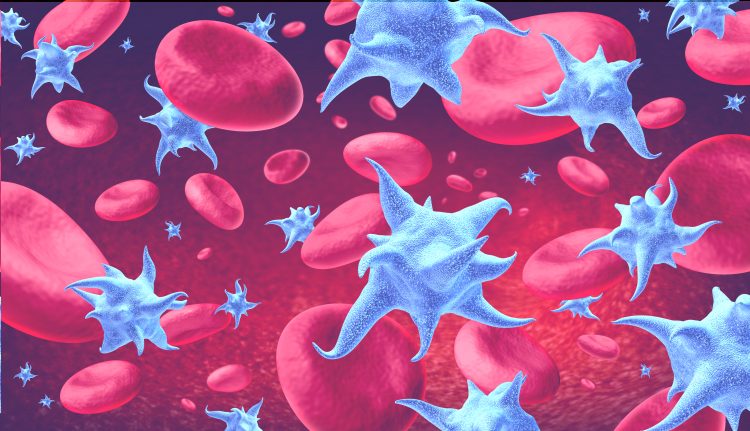
In a previous Vet Info, we discussed abnormalities in red blood cells and white blood cells. In this Vet Info, we will focus on platelets, or thrombocytes. A decreased platelet count, known as thrombocytopenia, is a common finding. However, platelet counts can be falsely low when platelet aggregates are present. For that reason, it is […]
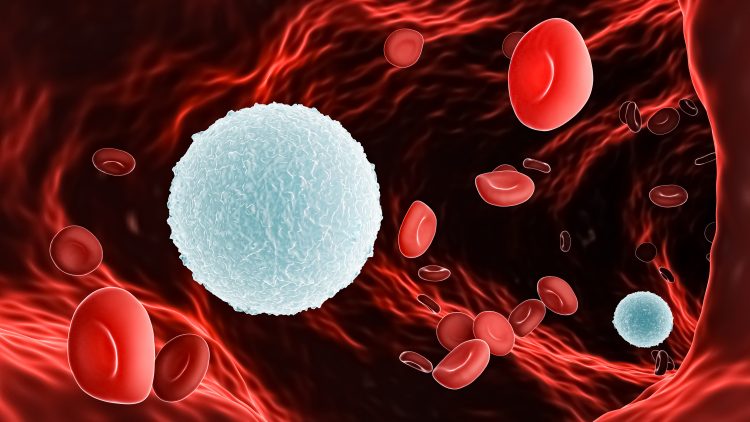
In our previous Vet Info, we briefly discussed the main abnormalities that can occur in erythrocytes. In this Vet Info, we will focus on leukocytes, or white blood cells, and review the most important changes that can be seen. There are five types of leukocytes: neutrophils, lymphocytes, eosinophils, basophils, and monocytes. When interpreting leukocyte numbers, […]
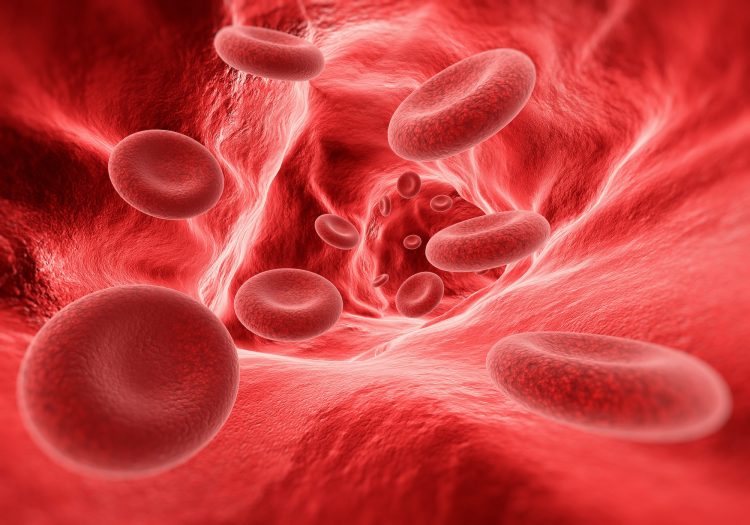
Hematology, or the complete blood count, is one of the most commonly performed blood tests in dogs and cats. It gives us valuable information about the number and appearance of blood cells, as well as the hemoglobin concentration. Being able to interpret hematology results well can therefore give us important insight into what is happening […]

Hypercalcemia is a common finding in clinical practice and ranges from an incidental laboratory abnormality to a clinically urgent condition. The first and most important step in interpretation is distinguishing between total hypercalcemia and ionized hypercalcemia. Only ionized calcium reflects the biologically active fraction and determines whether clinically relevant hypercalcemia is truly present. Total Calcium […]

The treatment of hypercalcemia depends on the severity of the abnormality, the presence of clinical signs, and the underlying cause. Have you not yet identified the cause of hypercalcemia in your patient? Then read our Vet Info on the pathophysiology and diagnosis of hypercalcemia in dogs and cats here. Not every patient with hypercalcemia requires […]