Extracorporeal therapies

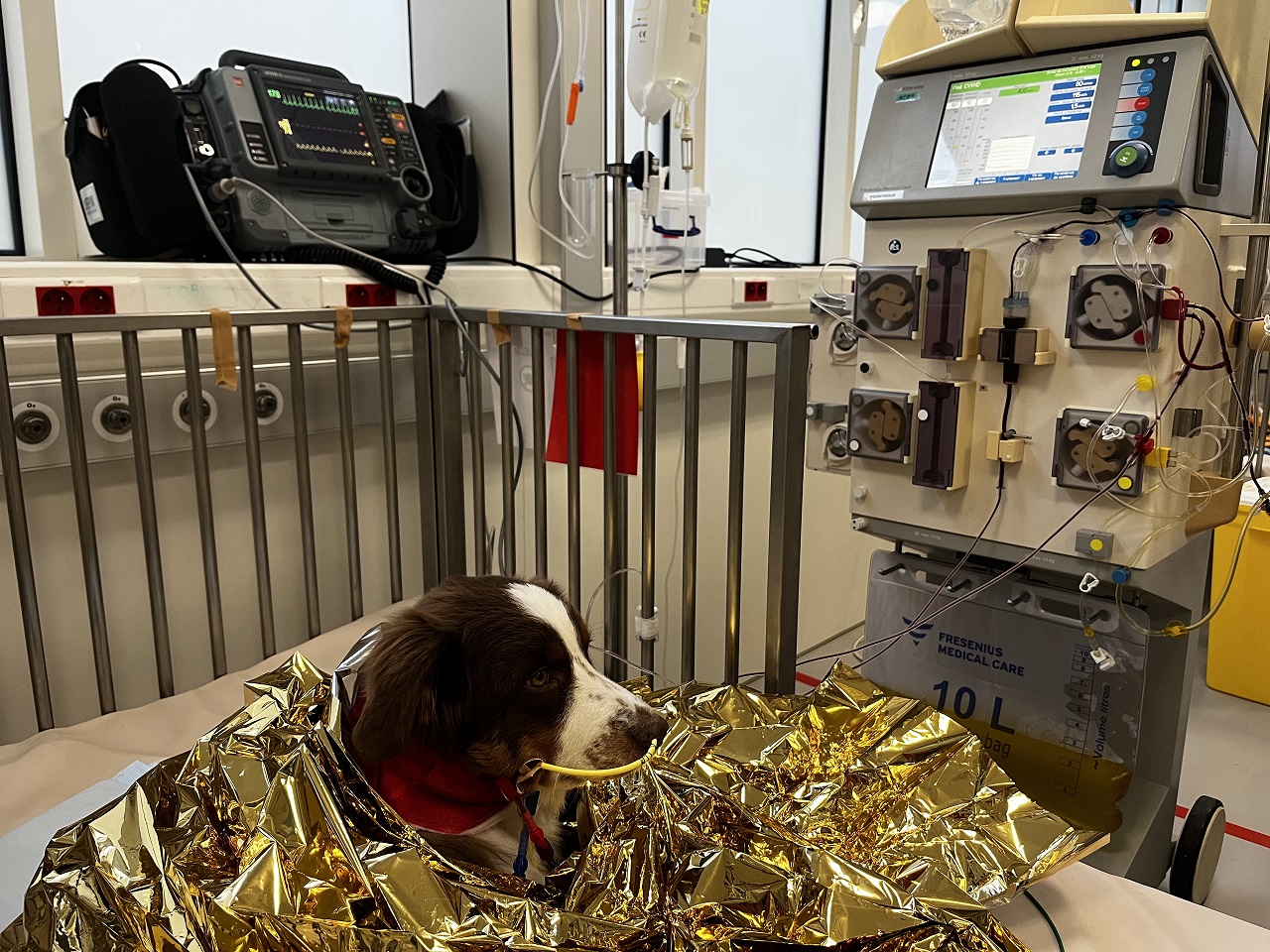
Extracorporeal therapies are medical treatments in which blood or other bodily fluids are removed from the body, treated externally, and then returned. These therapies are often used to eliminate waste products or toxins.

Hemodialysis

Hemodialysis is primarily used to remove waste products, excess fluids, and electrolytes from the blood when a patient’s kidneys are not functioning adequately. It can also be used to eliminate certain toxins from the bloodstream.

Indications:

  • Acute kidney injury.
  • Toxin ingestion involving small molecules (e.g., ethylene glycol).

Referral Criteria:

  • Severe azotemia of acute origin (creatinine > 800 Β΅mol/L; may be considered from > 400 Β΅mol/L).
  • Anuria or oliguria.
  • Severe electrolyte disturbances (e.g., hyperkalemia).
  • Volume overload or fluid overperfusion.
  • Severe clinical signs of acute kidney injury that are not manageable with standard therapy.

Contraindications:

  • Chronic kidney disease.
  • Body weight < 4 kg (alternative methods such as peritoneal or pleural dialysis may be considered).
  • Inability to place a central venous catheter due to absence of an intact jugular vein*.

On average, patients with acute kidney injury require 3–5 sessions.

Hemoperfusion

Indications:

  • Toxin ingestion (e.g., NSAIDs, ivermectin, phenobarbital, potassium bromide, vincristine, baclofen, etc.).

Referral Criteria:

  • Confirmed or strongly suspected toxin ingestion.

Contraindications:

  • Animals < 4 kg (may still be referred for possible alternative therapies).
  • Inability to place a central venous catheter due to absence of an intact jugular vein*.

On average, patients require 1 or 2 sessions.

Plasmapheresis

Indications:

  • Immune-mediated diseases (e.g., myasthenia gravis, polyradiculoneuritis, immune-mediated hemolytic anemia).

Referral Criteria:

  • Confirmed or strongly suspected autoimmune disease.
  • Currently, the strongest evidence exists for its use in myasthenia gravis, polyradiculoneuritis, and immune-mediated hemolytic anemia]

On average, patients require 1 or 2 sessions.

*All of these techniques require the presence of an intact jugular vein, as a central venous catheter must be placed.

References

  • Interview with Dr. Kris Gommeren, DVM, PhD, Dip ECVIM-ca, Dip EVECCS from the university in Liege (Belgium).

Related Posts

May 28, 2026

The CBC part 3 – Platelets

In a previous Vet Info, we discussed abnormalities in red blood cells and white blood cells. In this Vet Info, we will focus on platelets,...

May 22, 2026

The CBC part 2 – Leucocytes

In our previous Vet Info, we briefly discussed the main abnormalities that can occur in erythrocytes. In this Vet Info, we will focus on leukocytes,...

May 15, 2026

The CBC part 1 – Erythrocytes

Hematology, or the complete blood count, is one of the most commonly performed blood tests in dogs and cats. It gives us valuable information about...