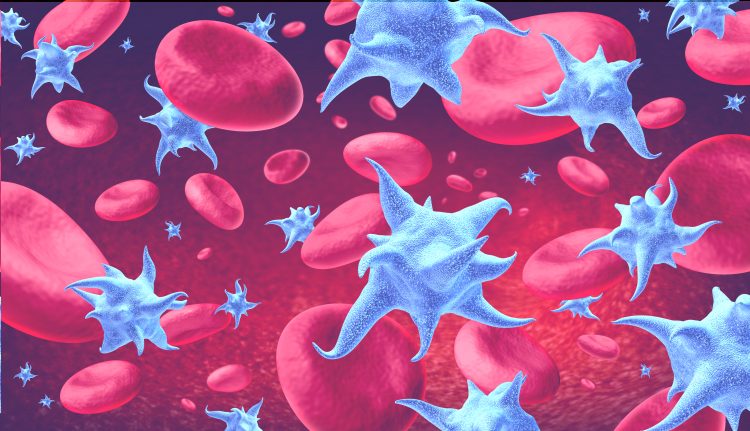
In a previous Vet Info, we discussed abnormalities in red blood cells and white blood cells. In this Vet Info, we will focus on platelets, or thrombocytes. A decreased platelet count, known as thrombocytopenia, is a common finding. However, platelet counts can be falsely low when platelet aggregates are present. For that reason, it is […]
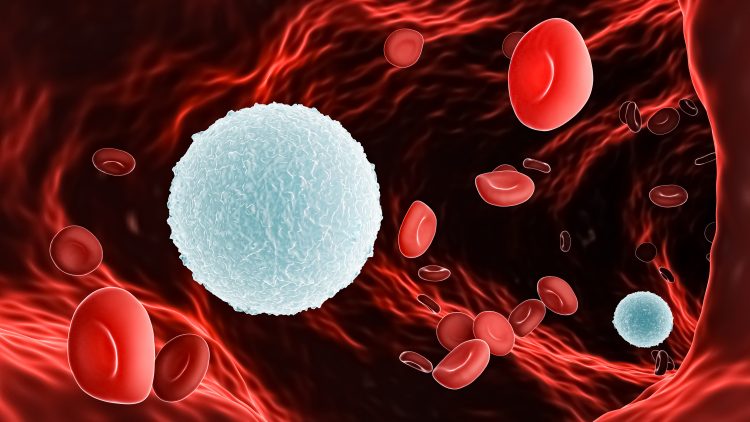
In our previous Vet Info, we briefly discussed the main abnormalities that can occur in erythrocytes. In this Vet Info, we will focus on leukocytes, or white blood cells, and review the most important changes that can be seen. There are five types of leukocytes: neutrophils, lymphocytes, eosinophils, basophils, and monocytes. When interpreting leukocyte numbers, […]
Hematology, or the complete blood count, is one of the most commonly performed blood tests in dogs and cats. It gives us valuable information about the number and appearance of blood cells, as well as the hemoglobin concentration. Being able to interpret hematology results well can therefore give us important insight into what is happening […]
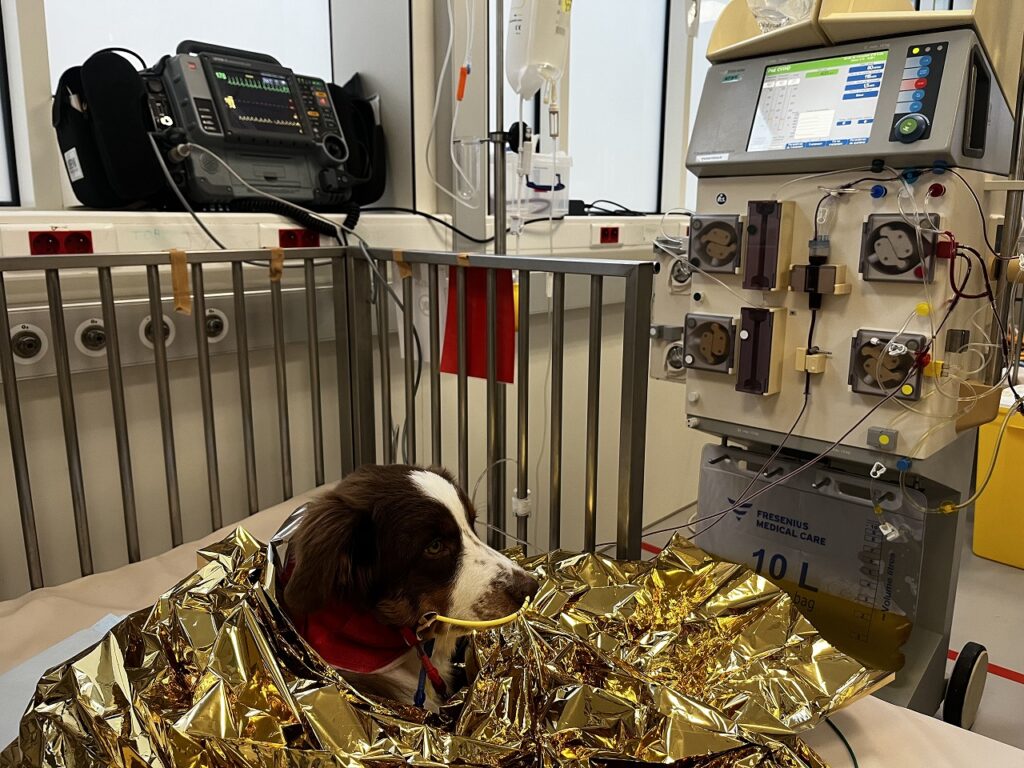
Extracorporeal therapies are medical treatments in which blood or other bodily fluids are removed from the body, treated externally, and then returned. These therapies are often used to eliminate waste products or toxins. Hemodialysis Hemodialysis is primarily used to remove waste products, excess fluids, and electrolytes from the blood when a patient’s kidneys are not […]

Feline Infectious Peritonitis (FIP) is a complex and serious viral disease affecting cats. It is caused by a mutation of the feline coronavirus (FCoV). FIP remains a diagnostic challenge for veterinarians due to its complex pathogenesis, variable clinical presentation, and the difficulty in establishing a definitive diagnosis. In this Vet Info, we review the recently […]

The use of antibiotics in dogs with acute diarrhea is a widely discussed topic in veterinary practice. Most cases of diarrhea are self-limiting and resolve with supportive care. Unnecessary antimicrobial use contributes to antimicrobial resistance and can significantly disrupt the intestinal microbiome. The European Network for Optimization of Veterinary Antimicrobial Therapy (ENOVAT), in collaboration with […]
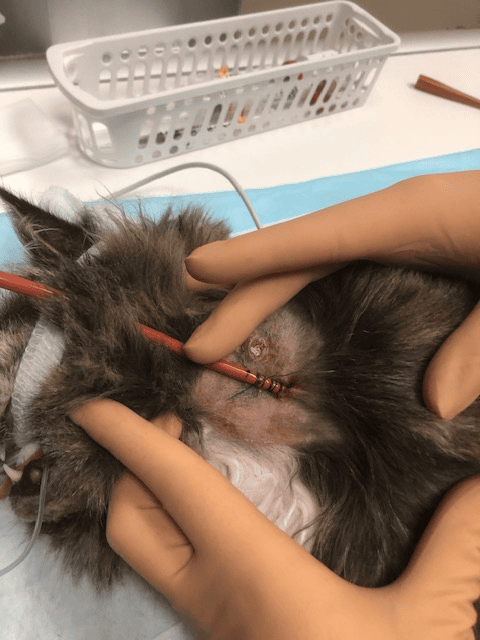
Esophagostomy tubes can be very valuable in dogs and cats with hypo- or anorexia. Placement of an esophagostomy tube has several advantages: Esophagostomy tubes are not recommended in animals with esophageal disease. Life-threatening complications are uncommon. In a recent retrospective study of 225 dogs and cats with an esophagostomy tube, the most common complications were […]

Hypercalcemia is a common finding in clinical practice and ranges from an incidental laboratory abnormality to a clinically urgent condition. The first and most important step in interpretation is distinguishing between total hypercalcemia and ionized hypercalcemia. Only ionized calcium reflects the biologically active fraction and determines whether clinically relevant hypercalcemia is truly present. Total Calcium […]

(Chronic) constipation is a common problem in (older) cats. In some cases, the underlying cause is easy to identify and resolve, making treatment relatively straightforward. In other cases, however, management becomes much more challenging—either because the underlying cause cannot be eliminated, and/or because there is advanced dysfunction of the colon. In a previous Vet Info, […]

(Chronic) constipation is a common problem in (older) cats. In some cases, the underlying cause is easy to identify and resolve, making treatment relatively straightforward. In other cases, however, treatment is more challenging because the cause cannot be fully addressed and/or there is advanced dysfunction of the colon. In this Vet Info, we will cover […]